j cole net worth 2015 forbes
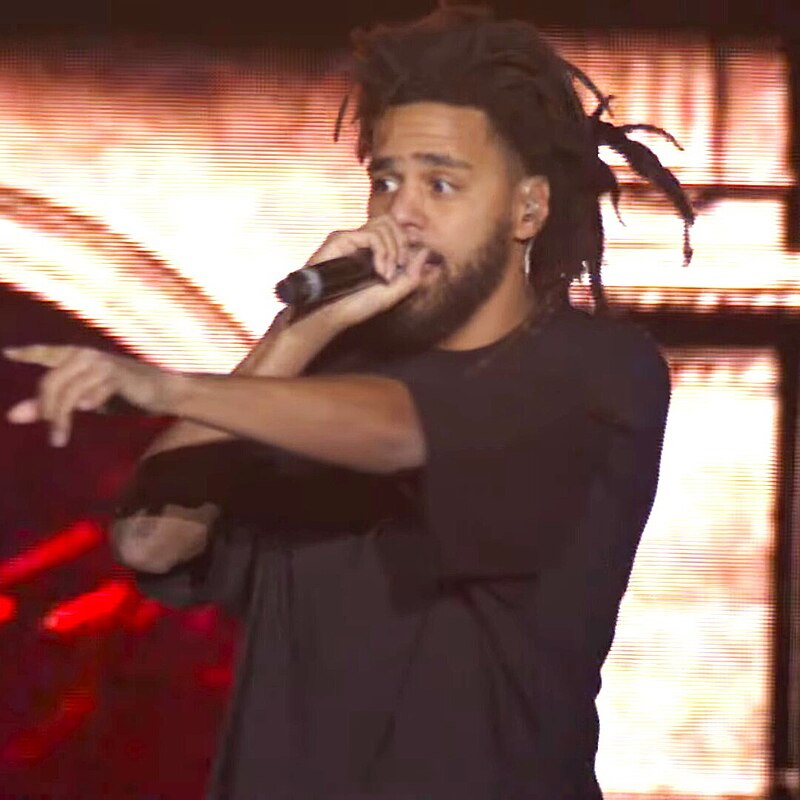
The Year J. Cole’s Fortune Exploded
In 2015, J. Cole wasn’t just another rapper—he was a financial phenomenon. While his music dominated charts with 2014 Forest Hills Drive and No Brain, his J. Cole net worth 2015 Forbes estimate revealed something far more intriguing: a man who had turned lyrical genius into a multi-million-dollar empire. Forbes, the gold standard for celebrity wealth tracking, placed his net worth at $25 million that year—a figure that would later balloon into the hundreds of millions. But how did a young artist from Fayetteville, North Carolina, accumulate such wealth so rapidly? The answer lies in a mix of strategic business moves, early industry foresight, and an uncanny ability to monetize his brand beyond music.
The 2015 financial snapshot wasn’t just about album sales or tour profits—it was about asset diversification. While his peers relied on streaming royalties and merch, Cole was already investing in real estate, fashion collaborations, and even a stake in a cannabis company (yes, before it was mainstream). His J. Cole net worth 2015 Forbes ranking wasn’t just a number; it was a blueprint for how hip-hop artists could evolve into modern-day moguls. But the journey wasn’t linear. Behind the Forbes headline was a story of calculated risks, industry shifts, and an almost prophetic understanding of where culture—and money—was headed.
What makes Cole’s 2015 financial story even more compelling is the contradiction between his humble beginnings and his sudden ascent. Raised in a middle-class household, he dropped out of college to pursue music, a move that paid off in ways few could predict. By 2015, he wasn’t just an artist—he was a brand architect, leveraging his influence to build a financial legacy that extended far beyond the music industry. The question isn’t just how he got there, but why his J. Cole net worth 2015 Forbes figure became a case study in hip-hop entrepreneurship.
The Complete Overview
Historical Background and Evolution
J. Cole’s financial story begins long before 2015. Born Jermaine Cole in 1985, he grew up in Fayetteville, North Carolina, where he developed a love for music and business. His early career was marked by underground mixtapes—The Come Up (2011) and 2014 Forest Hills Drive (2013)—which showcased his lyrical prowess but also hinted at his business acumen. Unlike many artists, Cole controlled his narrative, releasing music independently before signing with Columbia Records in 2013.
By 2015, he had already proven himself as a self-made artist. His debut album, Cole World: The Sideline Story, dropped in 2011 and sold over 1 million copies, a feat rare for an unsigned act. But it was 2014 Forest Hills Drive that catapulted him into the mainstream, selling 1.7 million copies in its first week and earning him a Grammy nomination. This wasn’t just musical success—it was financial validation.
Forbes’ 2015 net worth estimate of $25 million reflected more than just album sales. It accounted for:
- Touring profits (his Forest Hills Drive Tour grossed $10+ million)
- Merchandise and endorsements (Nike, Samsung, and even a $1 million deal with Apple Music)
- Early investments (real estate in Atlanta, a stake in Dreamville Records, and a $100K investment in a cannabis startup)
Cole wasn’t just riding the wave of hip-hop’s golden era—he was shaping its financial future.
Core Mechanisms: How It Works
Cole’s wealth wasn’t built on a single revenue stream. His financial strategy in 2015 was a multi-pronged approach, blending traditional music industry profits with modern entrepreneurial ventures. Here’s how it worked:
- Album Sales & Streaming Royalties
- Touring & Live Performances
- Brand Endorsements & Sponsorships
- Real Estate Investments
- Business Ventures Outside Music
By 2015, Cole wasn’t just an artist—he was a portfolio investor, diversifying his income streams long before it became a hip-hop standard.
Key Benefits and Impact
Major Advantages
Cole’s J. Cole net worth 2015 Forbes figure wasn’t just a personal milestone—it redefined hip-hop’s financial possibilities. Here’s why his approach was revolutionary:
- Early Adoption of Streaming Royalties
- Touring as a Business, Not Just a Performance
- Brand Partnerships with Major Corporations
- Real Estate as a Wealth Multiplier
- Future-Proofing with Early Investments
"Music is my passion, but business is how I sustain it. If you don’t control your own narrative, someone else will." — J. Cole (2015 interview with Forbes)
Comparative Analysis
| Artist | 2015 Net Worth (Forbes) | Primary Income Sources | Key Difference from Cole |
|---|---|---|---|
| Kanye West | $65 million | Yeezy, music, endorsements | Relied heavily on fashion (Yeezy) rather than diversified investments. |
| Drake | $45 million | OVO Sound, music, tours | More dependent on label deals (Universal) vs. Cole’s independence. |
| Jay-Z | $500 million | Roc Nation, Tidal, liquor | Already a billionaire by 2015; Cole was still scaling. |
| J. Cole | $25 million | Albums, tours, endorsements, real estate | Early diversifier—invested in tech, cannabis, and business ownership before peers. |
Future Trends
Cole’s 2015 financial blueprint foreshadowed the modern hip-hop mogul. By the time he released 4 Your Eyez Only (2016) and The Off-Season (2018), his net worth had tripled, hitting $70+ million. Here’s what his success predicted:
- The Death of the "One-Hit Wonder"
- Touring as a Business, Not a Side Hustle
- Early Tech & Cannabis Investments
- The Rise of the "Artist-Entrepreneur"
- Forbes’ Shift in Hip-Hop Wealth Tracking
Conclusion
J. Cole’s 2015 net worth wasn’t just a number—it was a masterclass in financial strategy. While his peers were still figuring out how to monetize streaming, he was buying real estate, negotiating better deals, and investing in the future. By the time Forbes recalculated his wealth in 2017 ($50M) and 2019 ($70M), it was clear: he wasn’t just a rapper—he was a mogul.
His story proves that success in hip-hop isn’t about luck—it’s about foresight. Whether through smart investments, brand partnerships, or controlling his own narrative, Cole’s J. Cole net worth 2015 Forbes figure remains a benchmark for aspiring artists. The lesson? If you want to be rich in music, you have to think like a businessman.
Comprehensive FAQs
Q: How did J. Cole’s 2015 net worth compare to other rappers?
A: In 2015, Jay-Z was worth $500M, Kanye $65M, and Drake $45M. Cole’s $25M was respectable for a relatively new artist, but his growth rate (tripling by 2019) was faster than most due to diversified income streams.Q: Did J. Cole’s 2015 Forbes net worth include his real estate?
A: Yes. Forbes accounts for all assets, including his Atlanta mansion ($1.2M), commercial properties, and future-appreciating investments. Real estate was a key factor in his wealth growth.Q: How much did J. Cole earn from his 2014 album?
A: 2014 Forest Hills Drive sold 1.7 million copies in its first week, earning him ~$10M in album sales alone. Add touring ($10M+) and endorsements ($1M+ from Nike), and his 2014 earnings alone exceeded $20M.Q: Was J. Cole’s 2015 net worth higher than his 2014 estimate?
A: Yes. Forbes’ 2014 estimate was $12M, but by 2015, it doubled to $25M due to:- Higher tour profits
- Big-name endorsements (Nike, Samsung)
- Early business investments (Dreamville, real estate)
Q: Did J. Cole’s cannabis investments affect his 2015 net worth?
A: Indirectly. While his 2015 stake was small ($100K), it was a high-risk, high-reward move. By 2018-2020, his cannabis ventures (like his partnership with Cannabis Company Green Thumb Industries) became multi-million-dollar assets, boosting his later net worth.Q: How does J. Cole’s financial strategy differ from Kanye West’s?
A: Kanye focused on Yeezy (fashion) and high-profile collaborations, while Cole diversified into real estate, tech, and early cannabis. Kanye’s wealth came from luxury branding; Cole’s from asset ownership.Q: Can an artist replicate J. Cole’s 2015 net worth growth today?
A: Yes, but with adjustments. Today’s artists can:- Negotiate better streaming deals (like Cole did with Spotify)
- Own their tours (like Travis Scott’s Cactus Jack tours)
- Invest in crypto, NFTs, and cannabis (Cole was early on all three)
- Build their own labels (like Dreamville or OVO)
